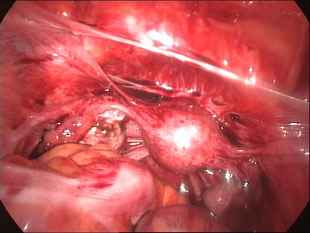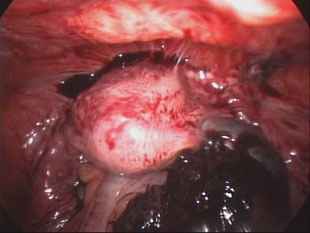
Operative Laparoscopy
Today laparoscopic surgery has many gynecologic applications including ovarian cysts, tubal reversal, endometriosis, infertility, management of fibroids (fibromas or leiomyomas), hysterectomy as well as an increasing role in gynecologic oncology.
Dr Thanos Paraschos has extended experience in all laparoscopic surgery techniques, having worked as a gynecology surgeon at major English hospitals.
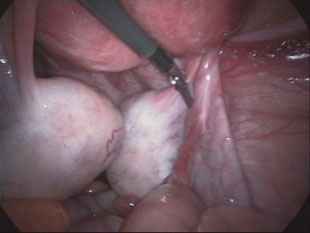
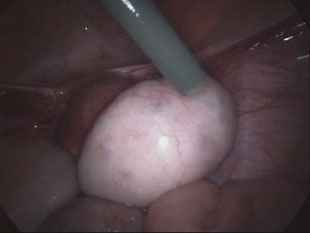
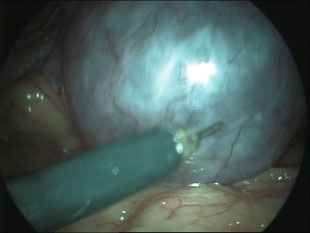
Laparoscopy is a surgical technique in which the abdominal cavity (belly) is inflated and distended. A small (3-11mm thick) telescope (resembling a long and thin tube) is then inserted through a tiny incision just below the belly button, into the abdominal cavity. This telescope, called a laparoscope, has a light source at its end and a camera that allows the surgical team to watch on TV monitors what is inside the belly under magnification and in great detail. The gas already inflated inside helps keep the walls of the abdomen and the organs separated from each other and allows excellent exposure. Additional (one to 3) 5-10mm incisions are made close to the pubic bone to insert long, thin instruments. These instruments are essentially extensions of the surgeon's hands allowing the surgeon to use these instruments from outside the body and perform surgery inside the abdominal cavity.
Video-laparoscopy introduced in the late 1970's and early 1980's, is the performance of laparoscopy using special video cameras attached to the end of the laparoscope. This allows the surgeon to watch a TV monitor and perform the procedure with excellent visualization assuming a comfortable standing posture.
Consult Gynecology Surgeon Dr Thanos Paraschos Here, Free of Charge!
Or call us at: 0030-6973000435 or 0030-6985012234
and we'll call you back.
Adhesions
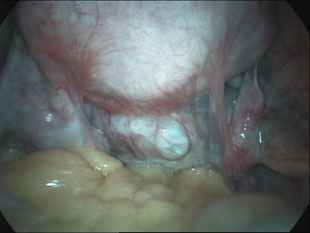
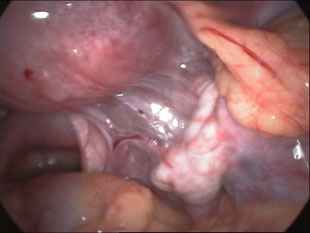
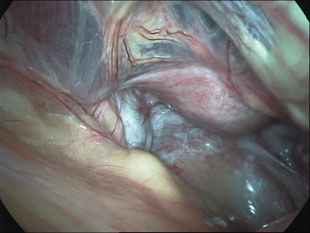
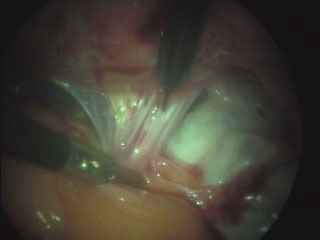
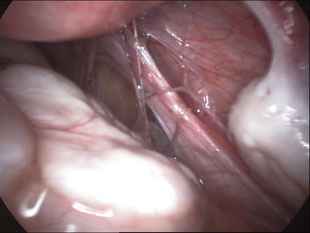
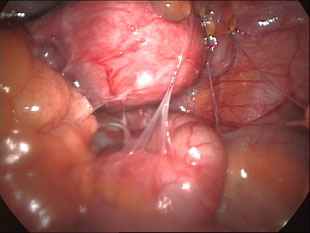
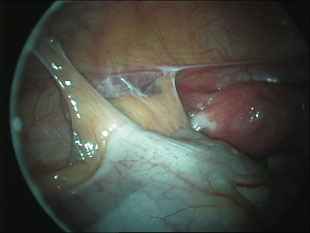
Dissecting Omental Adhesions
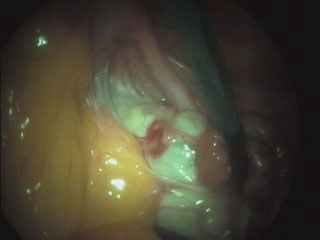
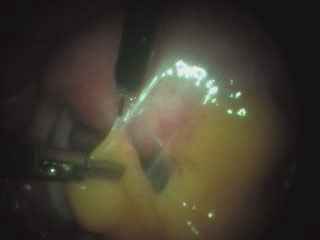
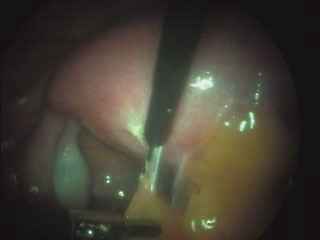
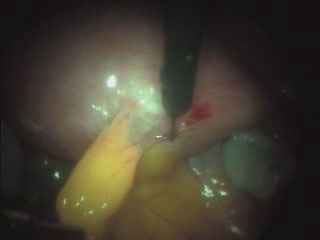
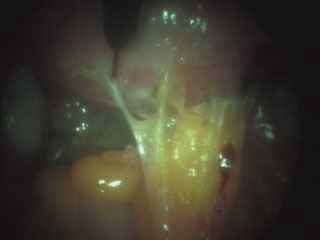
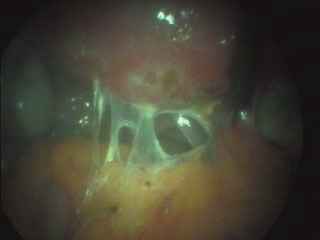
Dissecting Tubo-Ovarian Adhesions
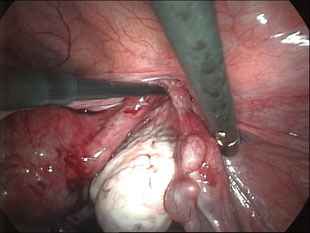
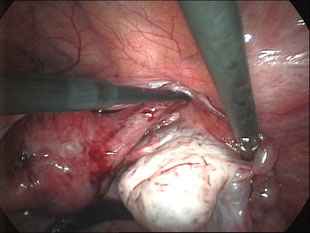
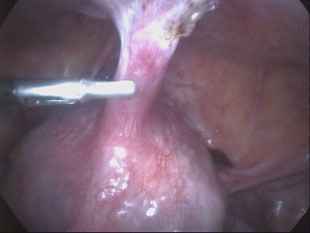
Omental Adhesions
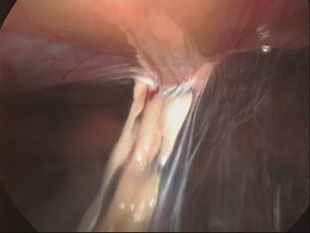
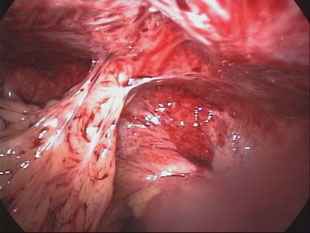
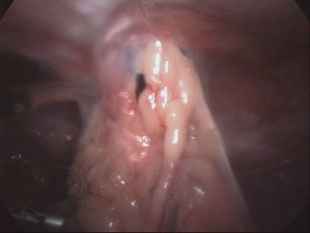
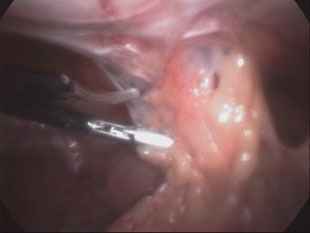
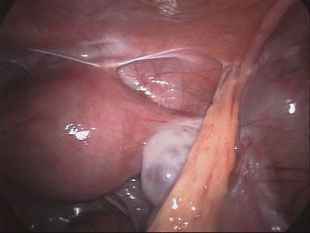
Omental Adhesions to the Uterus
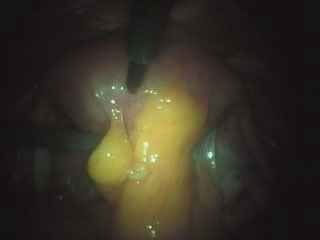
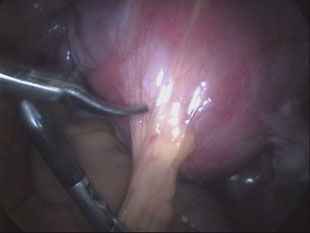
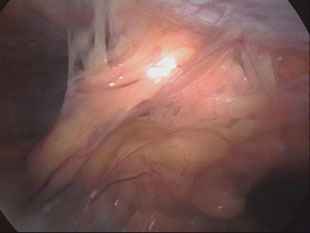
Ovarian Adhesions
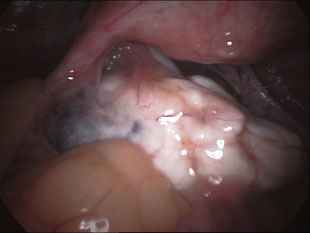
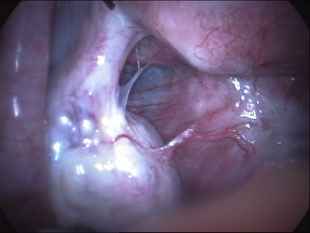
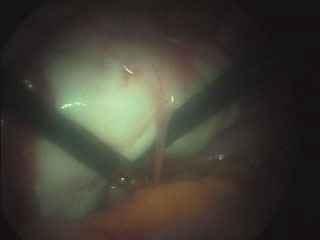
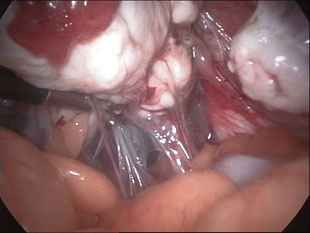
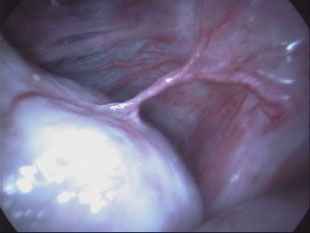
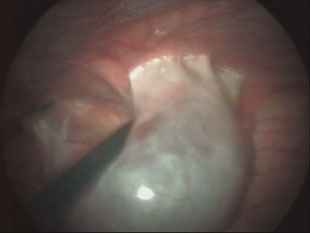
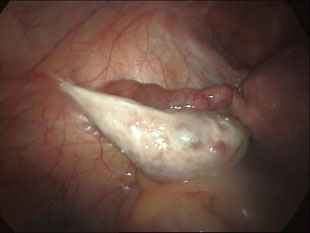
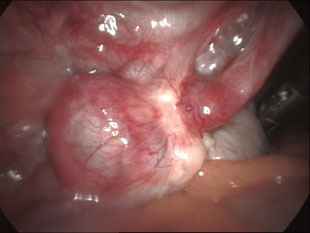
Tubal Adhesions
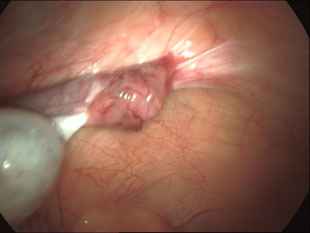
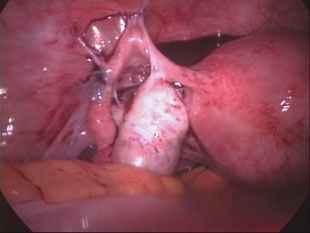
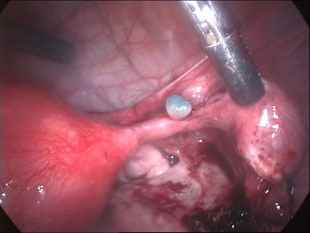
Double Uterus
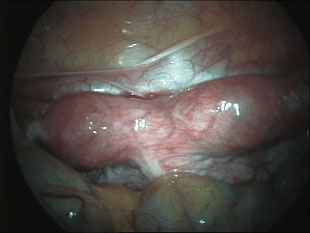
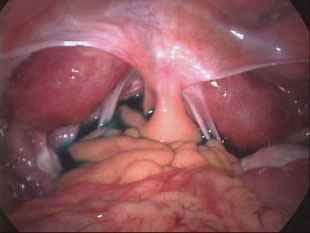
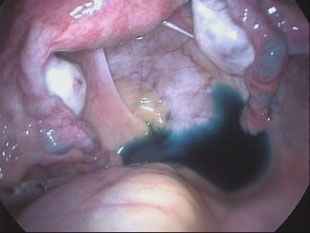
Dye Flowing from the Fimbrial End
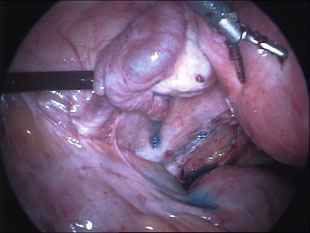
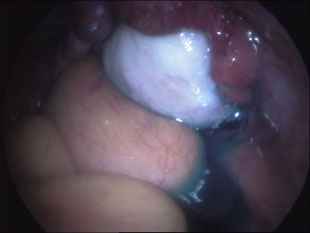
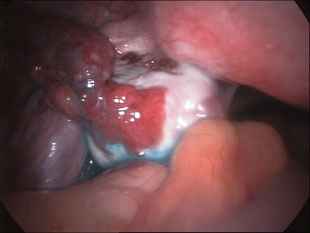
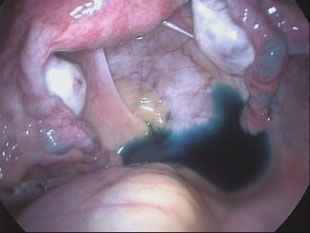
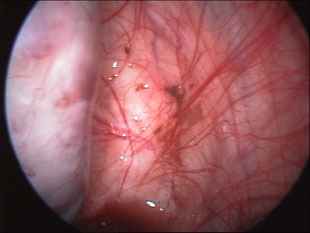
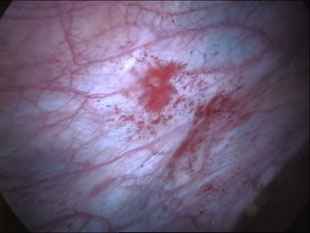
Endometriotic Spots
Fallopian Tube
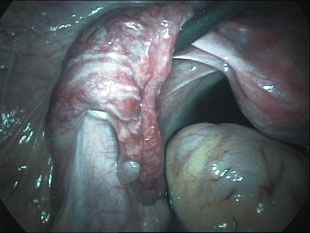
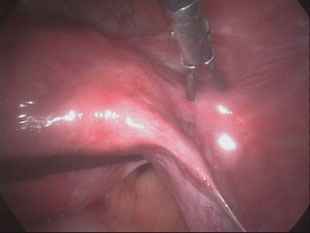
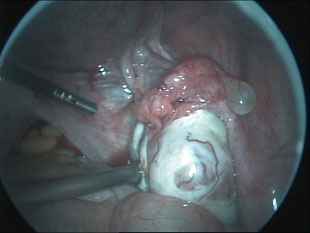
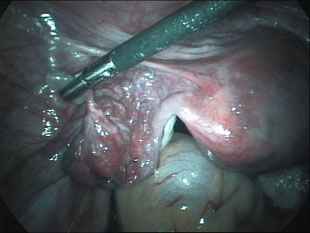
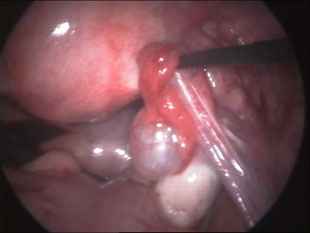
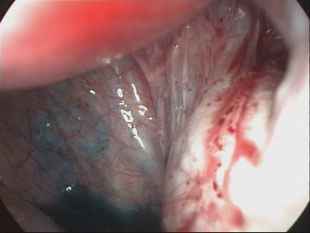
Dye Flowing in the Fallopian Tube
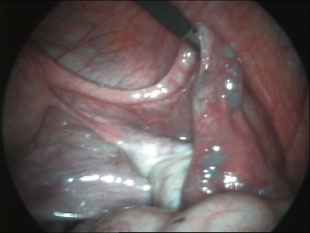
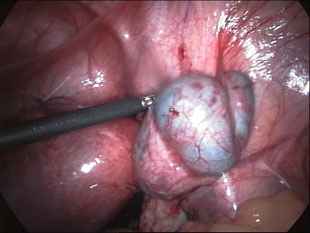
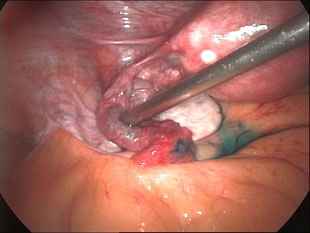
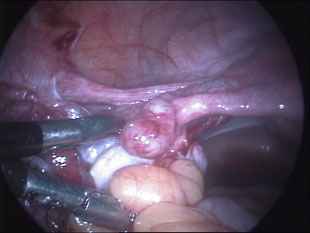
Hydrosalpinx in a Blocked Tube
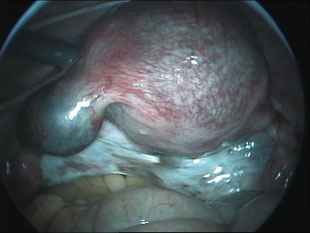
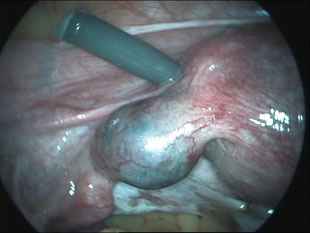
IUCD
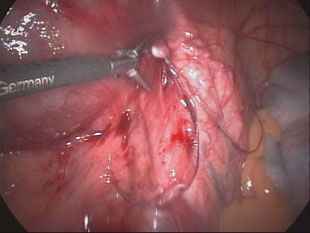
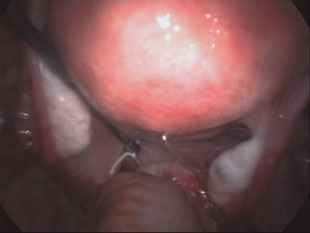
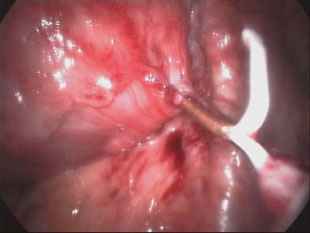
Ovaries
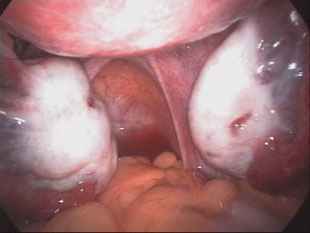
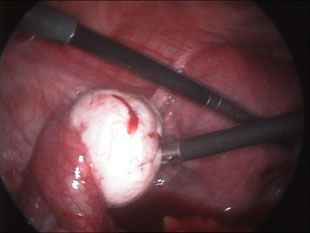
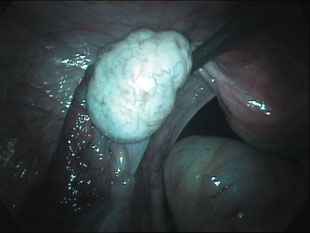
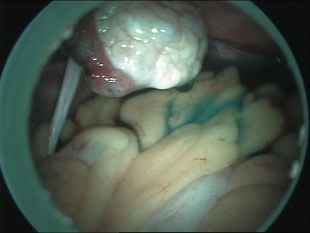
Laparoscopic Ovarian Cystectomy
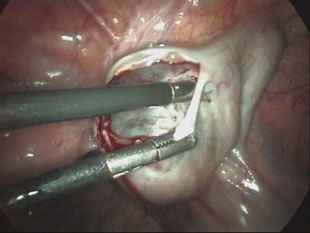
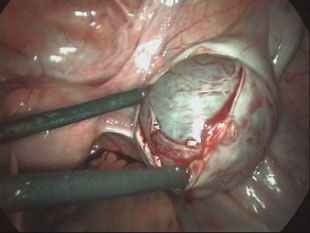
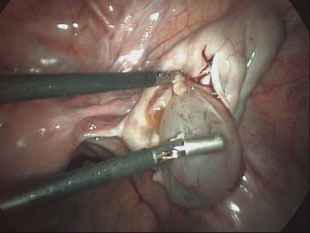
Ovarian Cyst
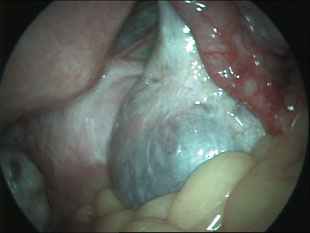
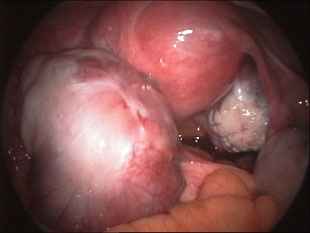
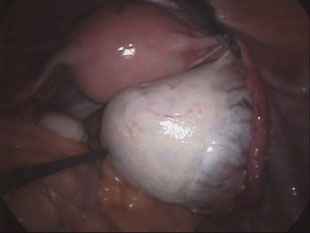
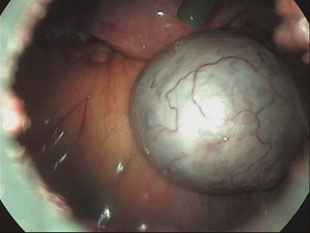
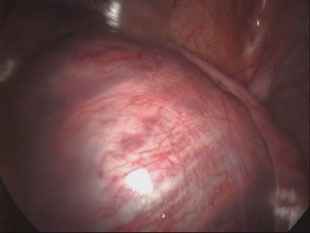
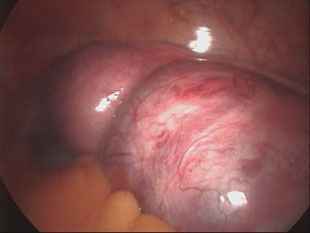
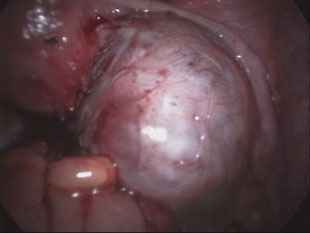
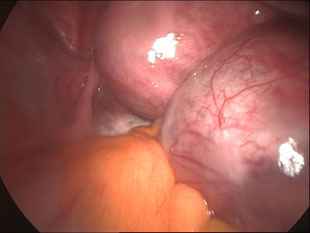
Ovary Adherent to Abdominal Wall
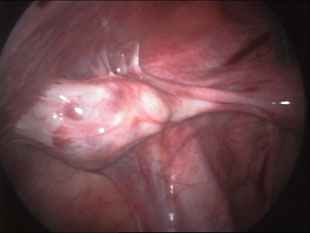
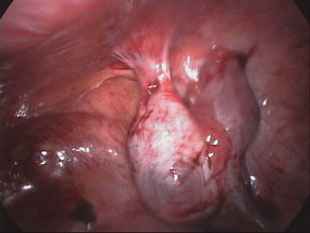
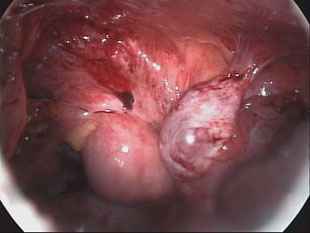
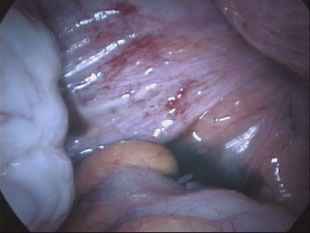
Ovary and Fallopian Tube
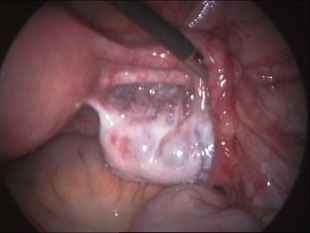
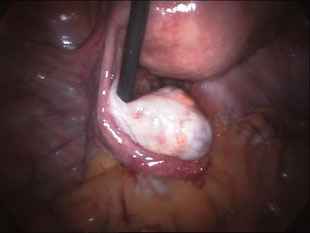
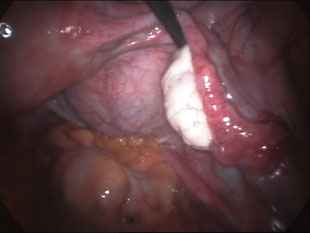
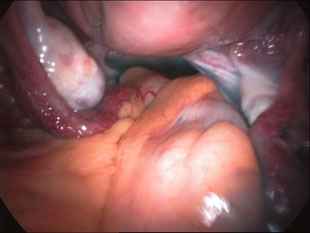
PolyCystic Ovaries
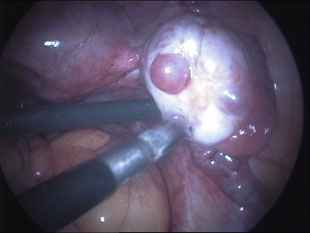
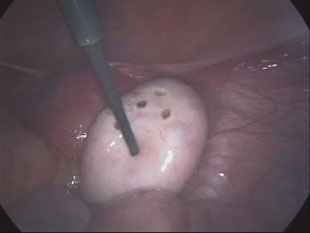
Tubal Pregnancy
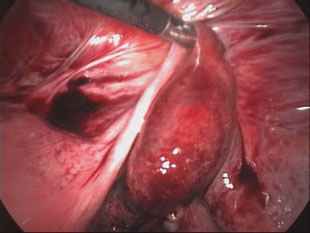
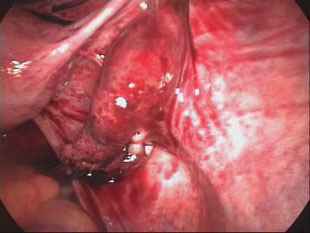
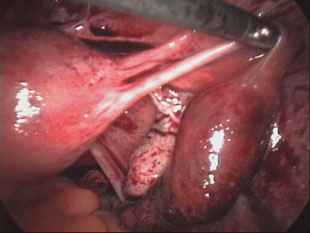
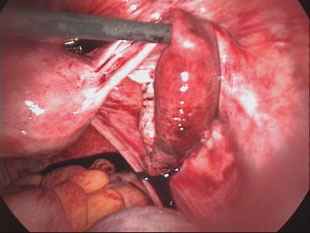
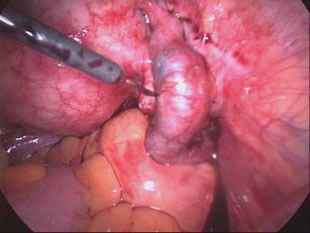
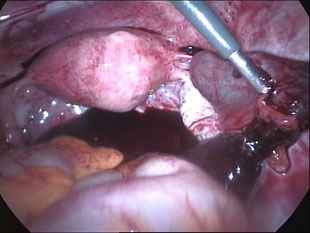
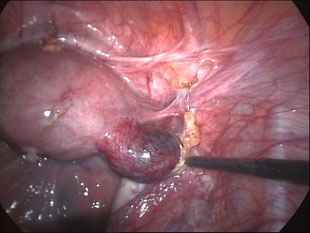
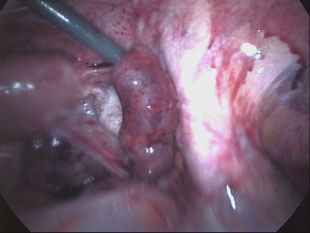
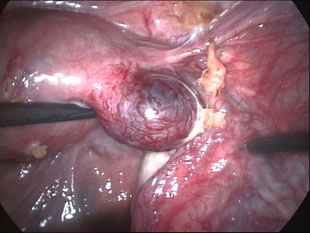
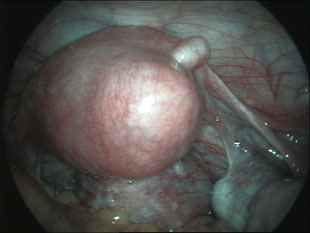
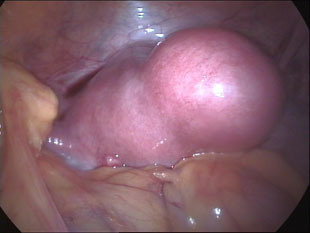
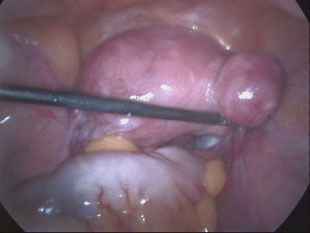
Uterine Fibroid
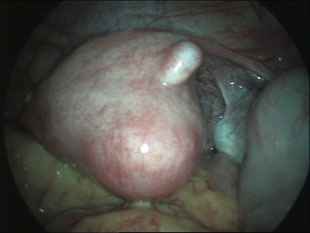
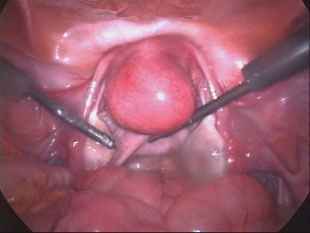
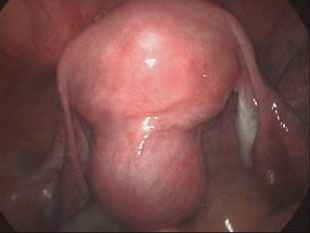
Uterine Septum
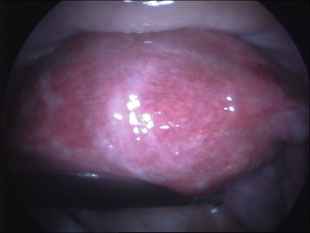
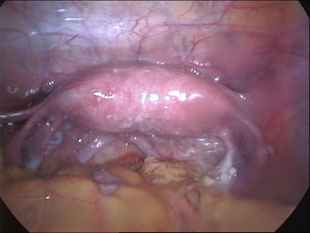
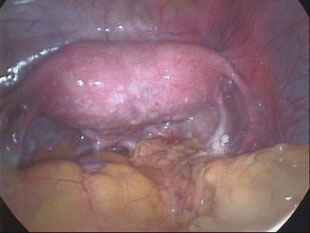
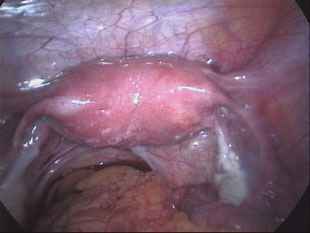
Adhesiolysis
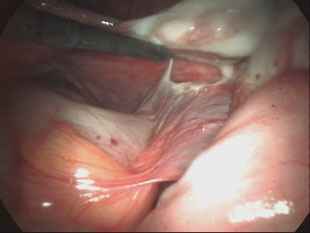
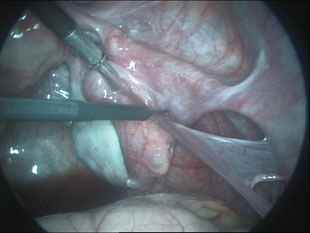
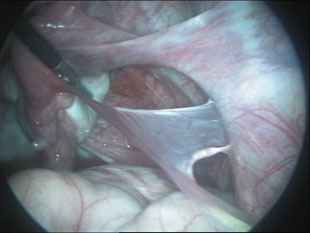
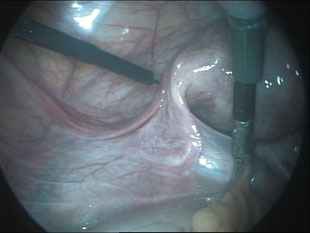
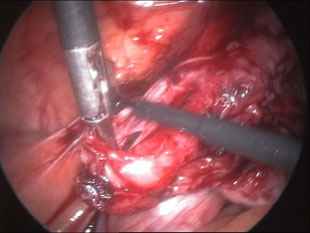
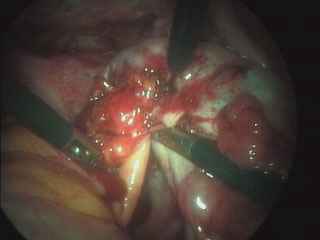
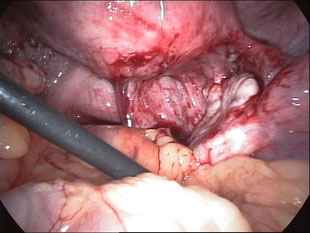
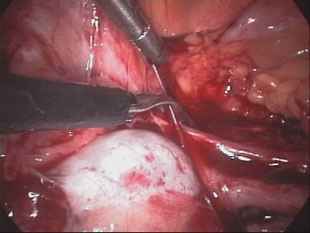
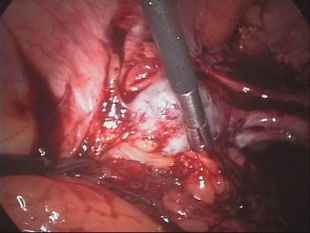
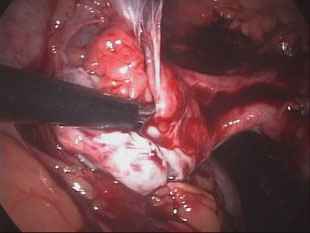
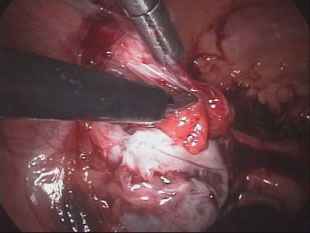
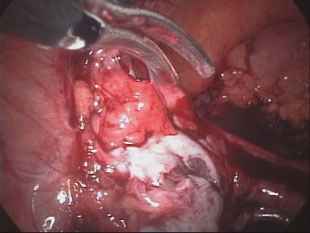
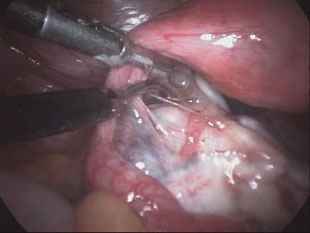
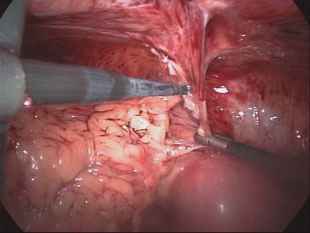
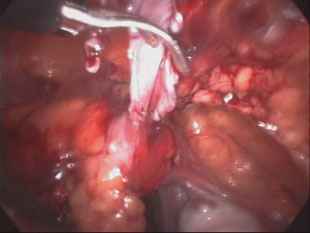
Uterine Adhesions